
Pay Online

What Should I Do If My Child Knocks Out a Permanent Tooth in Elgin?
January 28, 2026
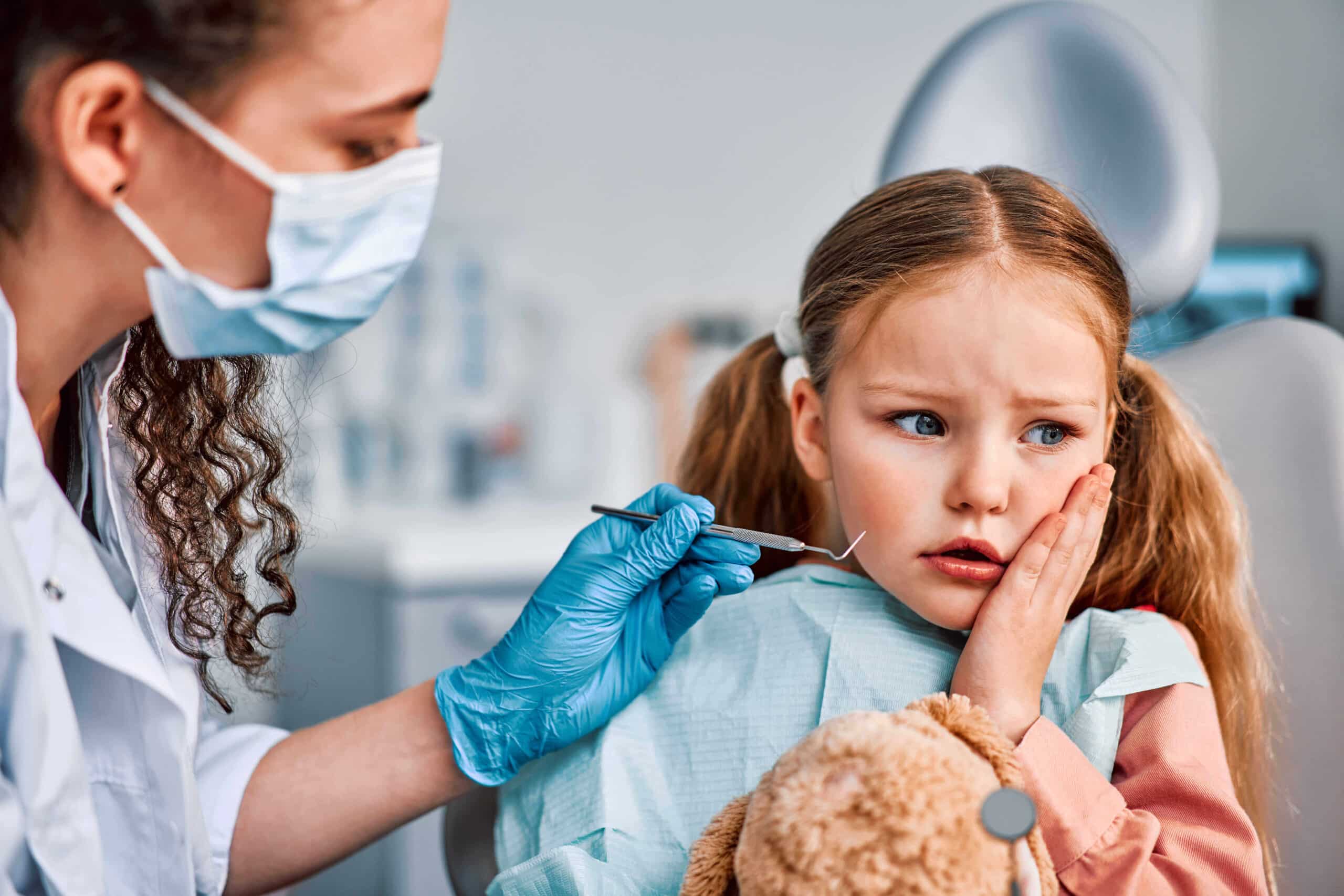
A knocked-out permanent tooth can turn a normal day into a stressful moment for any parent. One minute, your child is playing basketball at Lords Park or riding their bike near the Fox River Trail, and the next, you are dealing with blood, tears, and a missing tooth. Knowing what to do right away can make a real difference in saving the tooth and protecting your child’s smile.
This guide walks you through simple, practical steps to take after a dental accident, how to stay calm in the moment, and why fast action matters. It also explains what care may look like afterward and how families in Elgin can prepare for dental emergencies before they happen.
First: Stay Calm and Check Your Child
Your child will likely be frightened, so your calm reaction helps set the tone. Start by checking for serious injuries such as head trauma, dizziness, or heavy bleeding. If there is a concern beyond the tooth, seek medical help first.
If your child seems stable:
- Gently rinse their mouth with clean water
- Apply light pressure with clean gauze to control bleeding
- Look for the tooth immediately
Time is critical. A permanent tooth has the best chance of being saved if it is handled properly within the first 30 to 60 minutes.
How to Handle the Knocked-Out Tooth
If you find the tooth:
- Pick it up by the crown (the white part), not the root
- Do not scrub or scrape it
- If dirty, gently rinse with milk or clean water for a few seconds
- Do not let it dry out
If possible, try to replace the tooth in the socket. Have your child bite down softly on a clean cloth to hold it in place.
If reinserting is not possible, store the tooth in:
- Milk
- A tooth preservation kit
- Your child’s saliva (inside the cheek if old enough)
Avoid placing it in plain water, as this can damage the root cells.
Visit a Dental Office Immediately
Once the tooth is secure, go straight to a dental office. Calling ahead helps your Elgin pediatric dentist prepare for your arrival. Children’s dental injuries require care that considers growth, comfort, and emotional reassurance, not just the tooth itself.
Prompt treatment improves the chances that the tooth can be placed back into the socket and stabilized.
What Happens at the Appointment?
At the visit, the dentist may:
- Examine the tooth and socket
- Clean the area carefully
- Reinsert and splint the tooth to the nearby teeth
- Take X-rays to check for bone damage
- Discuss antibiotics or follow-up care
Not every knocked-out tooth can be saved, but early treatment gives the best possible outcome.
Why Permanent Teeth Are Different from Baby Teeth
Baby teeth should not be reinserted after being knocked out. Permanent teeth, however, are designed to last a lifetime and should be treated as an emergency if lost. Many children in Elgin lose their first permanent teeth during sports, school recess, or weekend activities. Knowing the difference helps parents respond correctly.
Common Causes of Tooth Knockouts in Children
Dental accidents happen more often than most parents expect. Common situations include:
- Falls while biking or skating
- Playground collisions
- Sports injuries without mouthguards
- Tripping on sidewalks or stairs
- Rough play at home
How to Reduce the Risk in the Future
While accidents cannot always be avoided, simple steps lower the risk:
- Have your child wear a mouthguard during sports
- Use helmets for biking and skating
- Keep floors and walkways clear at home
- Schedule regular dental visits to monitor tooth health
A children’s dentist in Elgin can recommend protective gear and evaluate whether your child’s teeth are more vulnerable due to alignment or bite issues.
Emotional Care Matters Too
A knocked-out tooth can feel embarrassing or scary for a child. Reassure them that help is on the way and that many dental injuries can be fixed. Avoid placing blame or reacting with panic. Comfort goes a long way in making the experience less traumatic.
What if the Tooth Cannot Be Saved?
Sometimes the tooth cannot be replanted. In that case, the dentist will discuss options such as:
- Space maintainers
- Temporary cosmetic solutions
- Long-term planning for replacement
Each plan depends on your child’s age and developmental stage.
When to Seek Emergency Help
You should seek immediate care if:
- A permanent tooth is knocked out
- There is heavy bleeding
- Your child has facial swelling
- There is pain that does not stop
- You cannot locate the tooth
Waiting can reduce the chance of saving the tooth and may lead to infection.
Preparing for Dental Emergencies
Parents can prepare ahead of time by:
- Keeping your dentist’s number saved
- Knowing the closest urgent dental office
- Having milk or a tooth kit at home
- Teaching children basic safety rules
Prepared families often respond faster and more confidently.
Dental injuries can happen anywhere, but the way you respond shapes the outcome. Parents who know the steps feel more confident when accidents occur.
If your child has suffered a dental injury or you want guidance on prevention, scheduling a visit with a kids’ dentist in Elgin can help ensure your child’s smile stays healthy and protected.
People Also Ask
1. Can a knocked-out permanent tooth really be saved?
Yes, in many cases it can. Success depends on how quickly the tooth is handled and how it is stored. Teeth kept moist and treated within an hour have the best chance of being successfully replanted.
2. Should I clean the tooth before bringing it in?
Only rinse it gently if it is dirty. Do not scrub or remove tissue from the root. Harsh cleaning can damage the cells needed for healing.
3. What if I cannot find the tooth?
Go to the dentist anyway. The dentist will check for fragments, treat the socket, and prevent infection even if the tooth is missing.
4. Is a mouthguard really necessary for kids’ sports?
Yes. Mouthguards help absorb impact and reduce the risk of broken or knocked-out teeth during games and practices.
5. Will my child need long-term treatment after a tooth injury?
Follow-up visits are common. The dentist will monitor healing and watch for changes as your child grows.
Recent Posts
Oct. 12, 2026
Your Smile Makeover Results: How Long They Actually Last
Oct. 05, 2026
What Actually Happens During Your Full-Mouth Restoration Appointment

Sep. 28, 2026
Is Your Missing Tooth a Good Candidate for a Bridge?

Sep. 21, 2026
Severe Tooth Pain: Which Emergencies Need Same-Day Extraction
Sep. 14, 2026