
Pay Online

Is Your Missing Tooth a Good Candidate for a Bridge?

September 28, 2026
Losing a tooth can feel overwhelming. You may wonder what your options are and whether a dental bridge is right for you. If you’re asking, is your missing tooth a good candidate for a bridge in Elgin, you’re already taking the right first step. At Northeast Family Dental Care, Dr. Omar Arshad helps patients understand their tooth replacement options clearly and thoroughly.
A dental bridge is not the right solution for everyone. Candidacy depends on several important factors. Understanding those factors upfront helps you make a confident, informed decision about your smile.
What Is a Dental Bridge and How Does It Work?
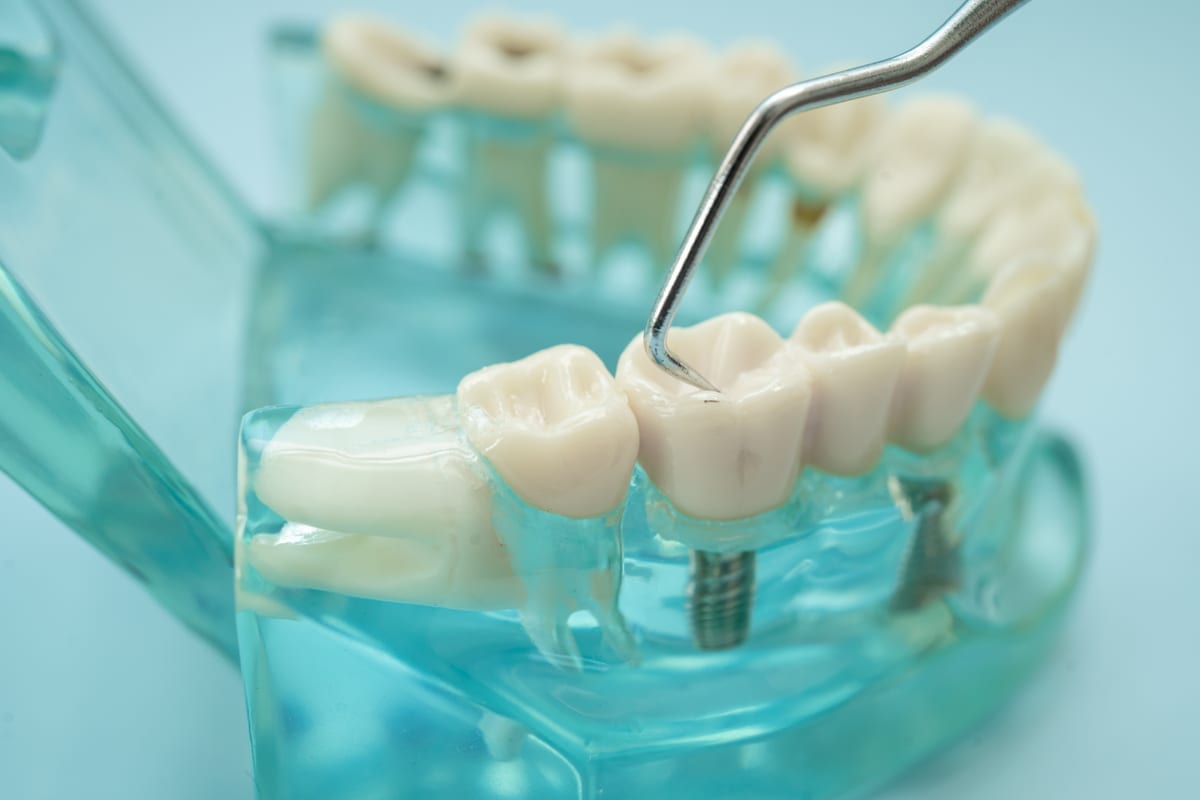
A dental bridge is a fixed restoration that replaces one or more missing teeth. It anchors to the natural teeth on either side of the gap. Those anchor teeth, called abutment teeth, are shaped to hold the bridge in place securely.
The replacement tooth in the middle is called a pontic. It fills the gap and restores your bite and appearance. Most bridges are made from porcelain, ceramic, or a combination of materials. They are custom-made to match your surrounding teeth.
Unlike removable dentures, bridges stay in your mouth permanently. They feel and function much like natural teeth. Patients often appreciate not having to remove them for cleaning.
Who Is a Good Candidate for a Dental Bridge in Elgin?
Not every patient with a missing tooth qualifies for a bridge. Dr. Arshad evaluates several key factors before recommending this treatment. The most important requirement is having strong, healthy teeth on both sides of the gap.
Here are the primary signs that you may be a good candidate:
- You have one or two adjacent missing teeth
- Your neighboring teeth are structurally sound and cavity-free
- Your gums are healthy with no active periodontal disease
- Your jawbone has adequate density in the area
- You are committed to consistent oral hygiene habits
- You prefer a fixed, non-removable tooth replacement solution
Patients who smoke heavily or have uncontrolled diabetes may face additional challenges. Dr. Arshad will discuss these factors openly during your consultation. Transparency is part of how Northeast Family Dental Care approaches every patient relationship.
What Does the Bridge Candidacy Evaluation Involve?
When you visit Northeast Family Dental Care, your evaluation is thorough and personalized. Dr. Arshad begins with a complete oral health assessment. This includes examining the teeth adjacent to your gap very carefully.
The evaluation typically includes these steps:
- Clinical examination: Dr. Arshad checks the health of your gums and surrounding teeth.
- X-rays or digital imaging: These reveal the condition of roots and underlying bone structure.
- Bite assessment: Your bite pattern affects how well a bridge will function long-term.
- Discussion of goals: Understanding what matters most to you helps guide the recommendation.
- Review of alternatives: Implants or partial dentures may be discussed as comparison options.
This process helps Dr. Arshad determine the most suitable path forward. It also gives you the chance to ask every question you have. No detail is too small when it comes to your oral health.
When a Bridge May Not Be the Best Option
Sometimes a dental bridge is not the ideal solution. Understanding when to consider alternatives is just as important. Dr. Arshad is committed to recommending what is truly best for each patient.
A bridge may not be appropriate if:
- The adjacent teeth are too weak or heavily restored
- Multiple teeth in a row are missing across a wider span
- There is significant bone loss in the jaw
- The patient is still young and still growing
- Active gum disease has not yet been treated
In these situations, dental implants are often a better long-term solution. Implants do not rely on neighboring teeth for support. They also preserve jawbone density more effectively over time.
If implants are not feasible, partial dentures may be another option to explore. Our team at Northeast Family Dental Care always presents all choices clearly. We want you to feel empowered, not pressured, in your decision-making.
Caring for Your Bridge and Maintaining Oral Health in Elgin
If Dr. Arshad determines you are a good candidate, proper aftercare becomes essential. A well-maintained bridge can last ten to fifteen years or longer. Good habits protect both the bridge and your remaining natural teeth.
Daily flossing under the bridge using a floss threader is important. Brushing twice daily with a soft-bristled toothbrush is equally critical. Regular professional cleanings at our Elgin office keep your bridge and gums in top condition.
Our practice also offers Cosmetic Dentistry Elgin services that complement your bridge treatment. If you want your surrounding teeth to match more beautifully, whitening or bonding options are available. A cohesive, natural-looking smile is always the goal.
Families in Elgin also trust us for Pediatric Dentistry Elgin services. Building healthy habits early helps children avoid tooth loss later in life. Prevention truly is the most powerful tool in dentistry.
Conclusion: Take the Next Step Toward a Complete Smile
A missing tooth affects more than just your appearance. It impacts your bite, your speech, and your long-term jaw health. Finding out whether a dental bridge is right for you is a straightforward process with Dr. Omar Arshad at Northeast Family Dental Care in Elgin, IL.
You deserve clear answers, honest guidance, and a treatment plan built around your unique needs. Our team is here to walk you through every step with care and expertise. Book Now to schedule your appointment with our team.
Frequently Asked Questions
How long does a dental bridge procedure take?
Most dental bridge treatments require two appointments spaced a few weeks apart. The first visit involves preparing the abutment teeth and taking impressions. The second visit places the permanent bridge once it is fabricated by the dental lab.
Is getting a dental bridge painful?
The procedure is performed with local anesthesia, so you should feel minimal discomfort during treatment. Some sensitivity around the prepared teeth is normal afterward. This typically resolves within a few days as your mouth adjusts.
How is a dental bridge different from a dental implant?
A dental bridge relies on adjacent natural teeth for support. A dental implant is anchored directly into the jawbone with a titanium post. Implants do not require altering neighboring teeth and tend to preserve bone better over time.
Can a dental bridge fail, and what are the signs?
Yes, bridges can fail if underlying teeth develop decay or if gum disease progresses. Signs of a failing bridge include pain, looseness, visible gaps, or difficulty chewing. Regular dental checkups help catch potential issues early.
What happens to the jawbone under a dental bridge?
Unlike dental implants, a bridge does not stimulate the jawbone beneath the missing tooth. Over time, some bone resorption can occur in that area. This is one reason Dr. Arshad may discuss implants as a long-term alternative for some patients.
Recent Posts
Oct. 05, 2026
What Actually Happens During Your Full-Mouth Restoration Appointment
Sep. 28, 2026
Is Your Missing Tooth a Good Candidate for a Bridge?

Sep. 21, 2026
Severe Tooth Pain: Which Emergencies Need Same-Day Extraction

Sep. 14, 2026
What You’ll Actually Feel During a Root Canal Treatment
Sep. 07, 2026