
Pay Online

Why Your Teeth Whitening Fades Fast (and How to Stop It)
September 7, 2026
You just finished a whitening treatment and your smile looks amazing. Then, a few months later, you notice the brightness has faded. You are not alone. Understanding why your teeth whitening fades fast — and how to stop it — is something many Elgin patients ask us about. At Northeast Family Dental Care, Dr. Omar Arshad helps patients get lasting results through smart habits and professional care.
The truth is, whitening results do not last forever on their own. Your daily lifestyle plays a huge role. The good news is that small, simple changes can make a big difference. Let us walk through exactly what shortens your results and what you can do about it.
How Long Does Teeth Whitening Actually Last in Elgin?
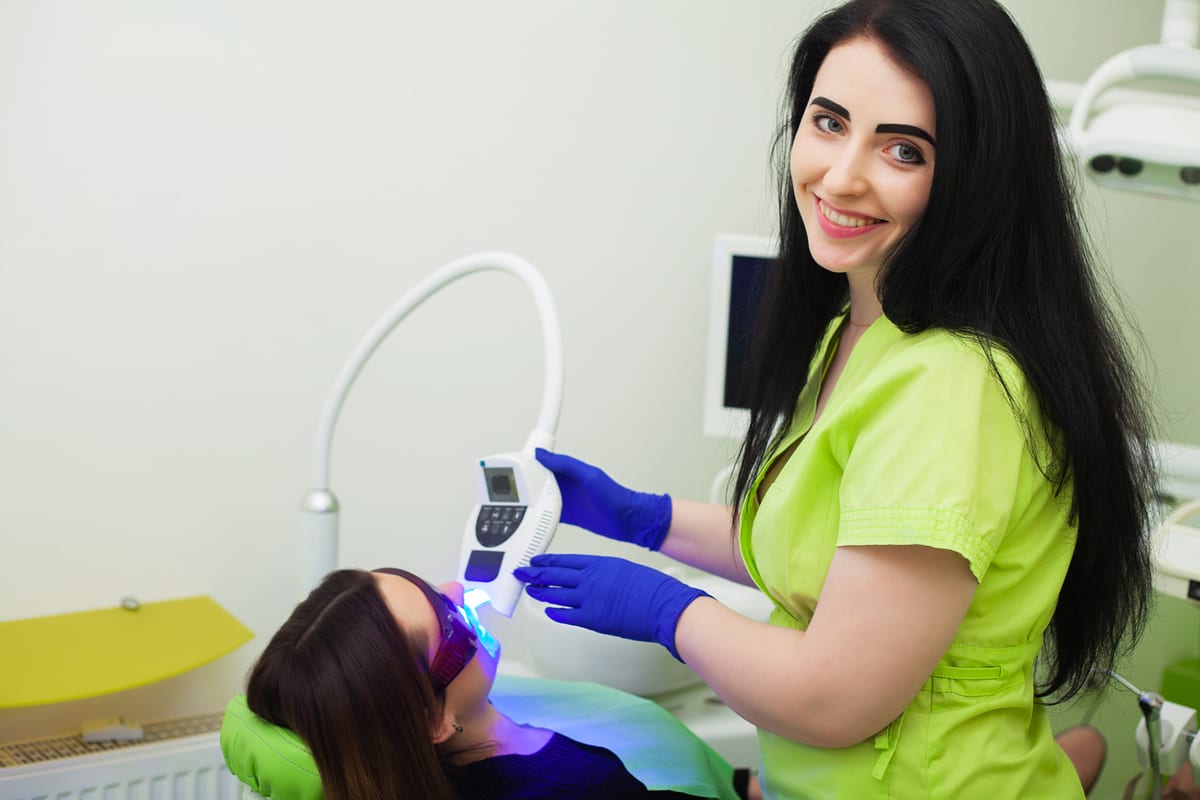
Most professional whitening treatments last between six months and two years. That is a wide range, and it depends entirely on your habits. At-home kits tend to fade faster than in-office treatments. Professional treatments use stronger, more consistent whitening agents that penetrate deeper into enamel.
Dr. Omar Arshad recommends that patients in Elgin schedule touch-up sessions every six to twelve months. This keeps your shade consistent without over-whitening. Some patients maintain bright smiles for years with the right routine. Others see fading in just a few weeks due to specific lifestyle factors.
Knowing your baseline is important. Teeth naturally have a yellow undertone beneath the enamel. Whitening removes surface stains but does not change your tooth’s natural structure. That is why maintenance is key — not just the initial treatment.
The Biggest Culprits That Fade Your Whitening Results Fast
Certain habits are notorious for shortening whitening results. If you are serious about keeping your smile bright, you need to understand what works against you. Here are the top offenders:
- Coffee and tea: These are the most common staining drinks. Their dark pigments bind to enamel quickly, especially right after whitening.
- Red wine: Wine contains tannins and chromogens that stain teeth deeply. Even white wine can weaken enamel and make staining worse.
- Smoking and tobacco: Nicotine and tar leave stubborn yellow and brown stains that are very hard to remove.
- Dark sauces: Soy sauce, tomato sauce, and balsamic vinegar all contain deep pigments that stick to teeth.
- Berries and dark juices: Blueberries, pomegranate, and grape juice are healthy but highly staining.
- Sports drinks and soda: These are acidic and can weaken enamel, making teeth more porous and prone to staining.
Right after a whitening session, your teeth are especially vulnerable. The pores in your enamel are temporarily open. Anything you consume during the first 48 hours has a stronger staining effect. This window is critical to protect.
Practical Tips to Make Your Whitening Last Longer
You do not have to give up coffee or wine forever. You just need to be smarter about how and when you consume them. Here are proven strategies Dr. Omar Arshad recommends to Elgin patients:
- Use a straw: Drinking through a straw reduces direct contact between staining liquids and your teeth.
- Rinse after eating: Swishing water after meals flushes away pigments before they settle into enamel.
- Brush twice daily: Use a whitening toothpaste with mild abrasives to maintain surface brightness.
- Avoid staining foods right after whitening: Stick to the so-called white diet for 48 hours post-treatment.
- Chew sugar-free gum: This stimulates saliva, which naturally cleanses teeth and neutralizes acids.
- Schedule regular cleanings: Professional cleanings remove surface stains before they penetrate deeper layers.
These habits are easy to build into your daily routine. They do not require dramatic lifestyle changes. Consistency is what makes the biggest difference over time.
It also helps to avoid smoking entirely. Tobacco staining is one of the hardest types to reverse. Even with regular whitening, smokers tend to see faster and more severe fading than non-smokers.
Professional Maintenance vs. At-Home Whitening: What Works Best?
Many Elgin patients ask whether at-home whitening kits are enough for maintenance. The honest answer is that it depends on your staining habits and desired shade. Over-the-counter products contain lower concentrations of whitening agents. They can help maintain results but rarely match the depth of professional treatments.
Dr. Omar Arshad offers custom whitening trays that are molded to your teeth. These trays ensure the whitening gel covers every surface evenly. They also reduce gum irritation, which is common with generic one-size trays. Used consistently, custom trays are one of the best maintenance tools available.
In-office touch-ups are ideal when you have a special event coming up. They deliver fast, dramatic results in a single session. Combining in-office treatments with at-home tray maintenance gives you the most control over your shade. This two-step approach is what Dr. Arshad recommends for patients who want lasting brightness.
As part of our Cosmetic Dentistry Elgin services, we help patients choose the right whitening plan for their lifestyle. No two smiles are the same, and your plan should reflect that. We take time to understand your habits and recommend accordingly.
How Northeast Family Dental Care Supports Your Whitening Journey in Elgin
At Northeast Family Dental Care, we believe a bright smile is about more than aesthetics. It is about confidence and long-term oral health. Dr. Omar Arshad takes an educational approach so patients understand what affects their results. Knowledge is the best tool for keeping your smile white longer.
We serve families across Elgin, including parents who want to set good oral hygiene habits for their children. If you have young ones who need expert care, explore our Pediatric Dentistry Elgin services. Building healthy habits early helps children maintain cleaner, brighter teeth as they grow.
Our team also offers preventive care, regular cleanings, and personalized advice at every visit. We do not just whiten your teeth — we help you keep them that way. Every recommendation we make is grounded in evidence and tailored to your specific needs.
Conclusion: Keep Your Smile Bright with the Right Plan
Understanding why your teeth whitening fades fast — and how to stop it — puts the power back in your hands. The habits you build every day determine how long your results last. Avoiding major staining culprits, rinsing after meals, and scheduling regular touch-ups all add up. With the right support from Dr. Omar Arshad and the team at Northeast Family Dental Care, a lasting bright smile in Elgin is absolutely achievable. Book Now to schedule your appointment with our team.
Frequently Asked Questions
How long does professional teeth whitening last?
Professional whitening results typically last six months to two years. The duration depends on your diet, oral hygiene routine, and habits like smoking or coffee consumption. Regular touch-ups and good maintenance habits extend your results significantly.
Can I drink coffee after teeth whitening?
It is best to avoid coffee for at least 48 hours after a whitening treatment. During this window, your enamel pores are open and more likely to absorb stains. After that period, using a straw can help reduce contact between coffee and your teeth.
Does smoking really affect teeth whitening results?
Yes, smoking is one of the fastest ways to reverse whitening results. Nicotine and tar create deep, stubborn stains that standard whitening struggles to fully remove. Patients who smoke tend to experience significantly faster fading than non-smokers.
Are custom whitening trays better than store-bought kits?
Custom trays from your dentist fit your teeth precisely and deliver whitening gel more evenly. They also reduce gum irritation that often comes with generic trays. For maintenance, custom trays provide more consistent and effective results than over-the-counter options.
How often should I schedule whitening touch-ups in Elgin?
Dr. Omar Arshad generally recommends touch-ups every six to twelve months for most patients. If you consume a lot of staining foods or beverages, more frequent touch-ups may be needed. Your dentist can help you build a maintenance schedule that fits your lifestyle.
Recent Posts
Sep. 07, 2026
Why Your Teeth Whitening Fades Fast (and How to Stop It)
Aug. 24, 2026
Deep Cleaning vs Regular Cleaning: Which Does Your Mouth Actually Need
Aug. 17, 2026
What Actually Happens During Your Preventive Dental Checkup
Aug. 10, 2026
Why Your Child’s Baby Teeth Are Worth Protecting
Aug. 03, 2026