
Pay Online

Dental Implants in Elgin, IL
July 13, 2026
Many patients across Elgin, IL ask the same question before their first consultation: are you actually a candidate for dental implants in Elgin? It is a completely fair thing to wonder. Implants are a long-term investment, and not everyone qualifies right away. Understanding what dentists look for helps you walk into your appointment with realistic expectations and real confidence.
At Northeast Family Dental Care, Dr. Omar Arshad takes a personalized approach to every implant evaluation. No two patients share the same health history, bone structure, or lifestyle. This article breaks down the key candidacy factors honestly — so you can decide whether implants are the right next step for you.
What Makes Someone a Good Candidate for Dental Implants in Elgin?
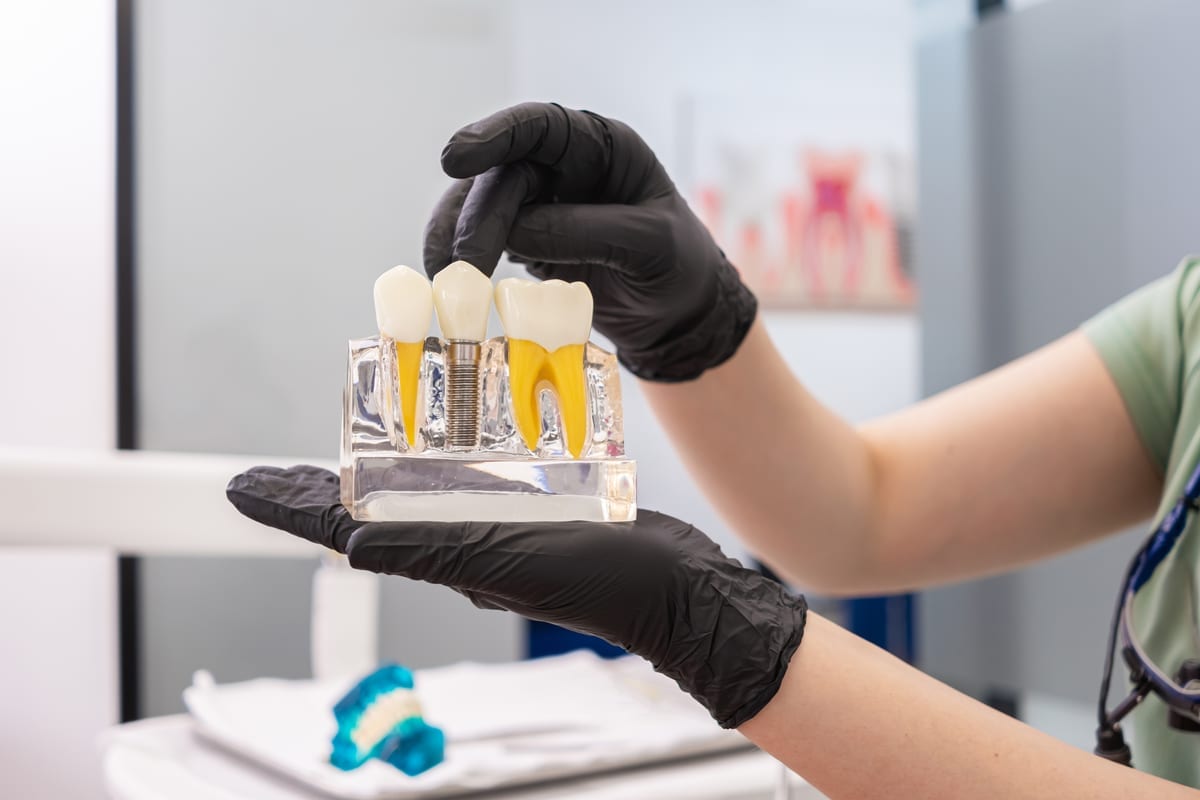
Dental implants replace missing tooth roots with titanium posts. Those posts fuse directly with your jawbone over time. That process — called osseointegration — is what makes implants so stable and long-lasting.
For osseointegration to succeed, your body needs to support it. That means several factors must align before your dentist can recommend moving forward.
Here are the core requirements most dentists evaluate:
- Sufficient jawbone density to anchor the implant securely
- Healthy gum tissue free from active periodontal disease
- Good overall health with no uncontrolled systemic conditions
- Completed jaw development, which typically happens by the late teens
- A commitment to oral hygiene and regular dental visits
Meeting all of these criteria puts you in a strong position. Missing one or two does not automatically disqualify you. It simply means your dentist needs more information before proceeding.
Does Age Matter When Considering Dental Implants?
Age is often one of the first concerns patients raise. Older adults sometimes worry they are too old for implants. Younger patients wonder if they are old enough.
There is no upper age limit for dental implants. Healthy adults in their 60s, 70s, and beyond can be excellent candidates. What matters more than age is your overall health and bone quality.
For younger patients, the situation is different. Implants require a fully developed jaw. Most dental professionals recommend waiting until the late teens for women and early twenties for men. Placing an implant in a still-growing jaw can cause alignment problems down the road.
If you have a teenager asking about tooth replacement, our Pediatric Dentistry team can discuss age-appropriate options until implants become a viable choice.
How Bone Density and Gum Health Affect Your Candidacy
Bone density is one of the most critical factors in implant candidacy. When a tooth is lost, the jawbone beneath it begins to shrink. This process is called bone resorption, and it can happen faster than most people expect.
If significant bone loss has occurred, a bone graft may be necessary before implant placement. Bone grafting adds volume to the jaw so it can properly support the implant. This adds time to the treatment process, but it does not eliminate implants as an option.
Gum health is equally important. Active gum disease must be treated before any implant procedure begins. Bacteria from diseased gums can infect the implant site and cause failure. Fortunately, treating gum disease first makes implant success much more likely.
Your dentist will take X-rays and may use a 3D cone beam scan to evaluate your bone structure accurately. These images give a complete picture before any decisions are made.
Can Health Conditions or Smoking Affect Implant Eligibility?
Certain health conditions can complicate implant surgery or healing. Uncontrolled diabetes, for example, slows wound healing and increases infection risk. Patients with well-managed diabetes, however, often do qualify for implants successfully.
Other conditions that may require extra evaluation include:
- Autoimmune disorders that affect healing or increase infection risk
- Osteoporosis, especially when treated with bisphosphonate medications
- Blood clotting disorders that could complicate surgery
- Active cancer treatment, particularly radiation to the head or neck area
It is important to share your full medical history with Dr. Arshad during your consultation. Many conditions can be managed so that implants remain possible. Transparency helps your dentist create a plan that keeps you safe.
Smoking is a significant risk factor for implant failure. Tobacco use restricts blood flow to the gums and slows the healing process. Smokers face higher rates of implant complications compared to non-smokers. Quitting — or significantly reducing smoking — before and after surgery greatly improves your chances of long-term success.
What Happens During an Implant Candidacy Evaluation at Northeast Family Dental Care?
Your first step is a thorough consultation with Dr. Omar Arshad. This appointment is not just about looking at your teeth. It is a comprehensive review of your dental and medical health.
During your evaluation, you can expect:
- A detailed review of your health history and current medications
- Digital X-rays or a 3D cone beam scan of your jaw
- An examination of your gum tissue and existing teeth
- A conversation about your goals, timeline, and any concerns you have
- A customized treatment recommendation based on your specific situation
If implants are not the right fit right now, Dr. Arshad will explain why clearly. He will also discuss what steps — like bone grafting or gum disease treatment — could make you eligible in the future.
For patients interested in a complete smile transformation, implants often work alongside Cosmetic Dentistry treatments to create results that look and feel completely natural.
Your Next Step Toward a Confident Smile in Elgin
Wondering whether you qualify does not have to mean staying stuck with a gap in your smile. Most patients are surprised to learn that implants are more accessible than they assumed. Even those who need preparatory treatment often end up with successful implants after proper care.
Dr. Omar Arshad and the team at Northeast Family Dental Care are here to give you an honest, thorough evaluation — not a sales pitch. Whether you are a clear candidate or need some groundwork first, you deserve straightforward answers. Book Now to schedule your appointment with our team.
Frequently Asked Questions
Can I get dental implants if I have had gum disease in the past?
Yes, in many cases you still can. The key is that gum disease must be fully treated and controlled before implant placement begins. Dr. Arshad will evaluate the current health of your gums and bone before making any recommendations.
How long does the entire dental implant process take?
The timeline varies depending on your individual needs. For straightforward cases, treatment can take several months from placement to final restoration. If preparatory work like bone grafting is needed, the process may take longer. Your dentist will give you a personalized timeline during your consultation.
Are dental implants painful to get?
Most patients report less discomfort than they expected. Local anesthesia is used during the procedure, so you should not feel pain at the time of placement. Some soreness and swelling are normal in the days following surgery. Over-the-counter pain relief is usually sufficient for managing recovery discomfort.
What happens if I do not have enough bone for an implant?
Insufficient bone does not automatically disqualify you. A bone graft can be performed to rebuild the jawbone before implant surgery. This adds time to treatment, but it makes implant placement possible for many patients who would otherwise not qualify.
Is there a minimum age requirement for dental implants?
Yes. Implants require a fully developed jaw, which typically occurs in the late teens for women and early twenties for men. Younger patients are not candidates until jaw growth is complete. In the meantime, temporary tooth replacement options can be discussed with your dental team.
Recent Posts

Oct. 12, 2026
Your Smile Makeover Results: How Long They Actually Last
Oct. 05, 2026
What Actually Happens During Your Full-Mouth Restoration Appointment

Sep. 28, 2026
Is Your Missing Tooth a Good Candidate for a Bridge?

Sep. 21, 2026
Severe Tooth Pain: Which Emergencies Need Same-Day Extraction

Sep. 14, 2026