
Pay Online

Deep Cleaning vs Regular Cleaning: Which Does Your Mouth Actually Need
August 24, 2026
If your dentist has ever mentioned a deep cleaning, you may have wondered what that actually means. Understanding deep cleaning vs regular cleaning — and which your mouth actually needs in Elgin — can help you make informed decisions about your oral health. At Northeast Family Dental Care, Dr. Omar Arshad helps patients understand exactly why certain treatments are recommended. This article breaks it all down in plain, simple terms.
What Is a Regular Dental Cleaning?
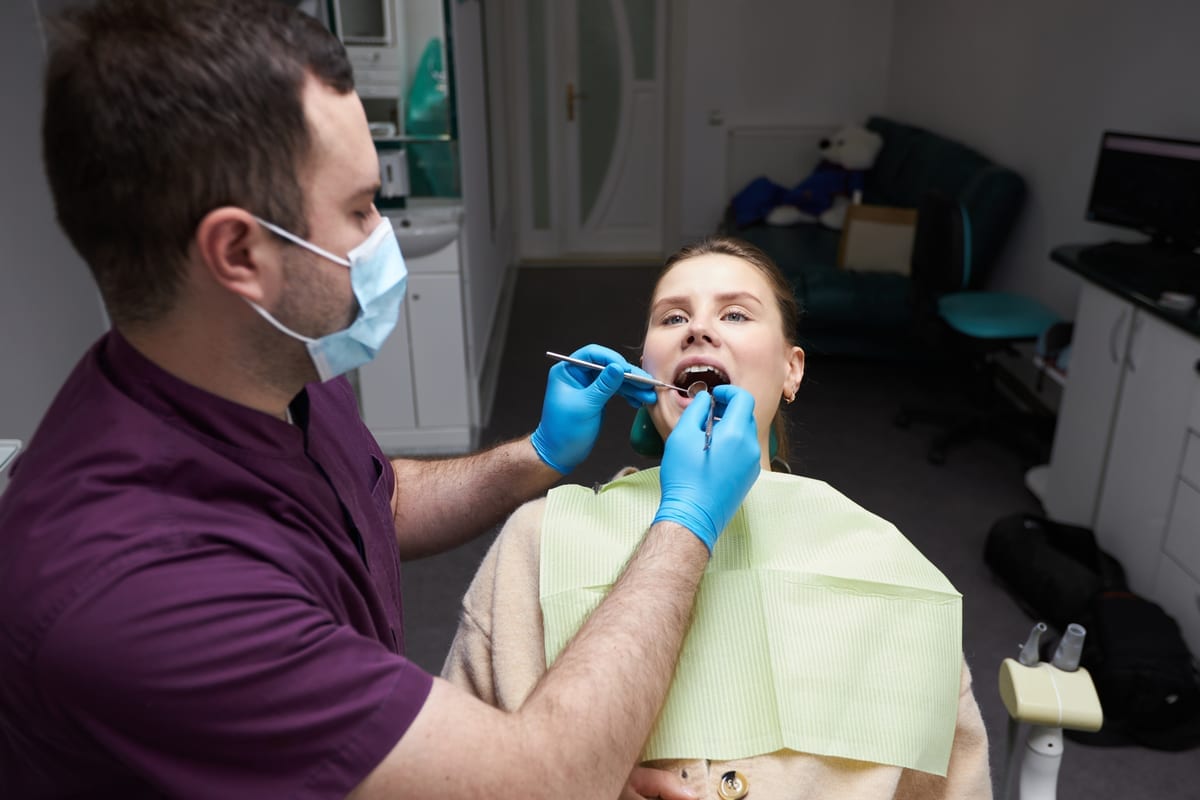
A regular dental cleaning is also called a prophylaxis. It is the standard cleaning most patients receive every six months. A dental hygienist removes plaque and tartar from the surfaces of your teeth. They also clean along and just slightly below the gumline.
Regular cleanings are designed for patients with healthy gums. They help prevent cavities and gum disease before they start. Think of it as routine maintenance for your mouth. If your gums are in good shape, this type of cleaning is all you need.
During a regular cleaning, you can also expect:
- Polishing of tooth surfaces to remove light stains
- Flossing between all teeth
- Fluoride treatment in some cases
- A full oral exam by the dentist
- X-rays if they are due
Regular cleanings are straightforward and typically take 45 to 60 minutes. Most patients feel comfortable throughout the process. There is usually no need for anesthesia.
What Is a Deep Cleaning and Why Is It Different?
A deep cleaning is a completely different procedure. Its clinical name is scaling and root planing. It goes far below the gumline — much deeper than a regular cleaning ever reaches. Dentists recommend it when gum disease, called periodontitis, has developed.
When bacteria build up beneath the gums, pockets form between the teeth and gum tissue. These pockets trap more bacteria and become difficult to clean at home. A regular cleaning simply cannot reach that deep. Scaling and root planing targets these infected areas directly.
Here is how the deep cleaning process typically works:
- The hygienist or dentist numbs the area with local anesthesia.
- Scaling removes tartar and bacteria from below the gumline.
- Root planing smooths the root surfaces of the teeth.
- Smooth roots make it harder for bacteria to reattach.
- The gums can then begin to heal and reattach to the teeth.
Deep cleanings are often completed in two appointments — one side of the mouth per visit. Some patients experience mild soreness afterward. This is completely normal and usually resolves within a few days.
How Do You Know Which One You Need in Elgin?
The answer starts with a proper examination. Dr. Omar Arshad uses a small measuring tool called a probe to check the depth of your gum pockets. Healthy gums have pocket depths of 1 to 3 millimeters. Depths of 4 millimeters or more often signal gum disease.
Your dentist will also look for signs like:
- Bleeding gums during brushing or flossing
- Red, swollen, or tender gum tissue
- Gums that are pulling away from the teeth
- Persistent bad breath that does not go away
- Visible tartar buildup below the gumline on X-rays
If your measurements and symptoms point to early-stage gum disease, a deep cleaning is often the first line of treatment. Caught early, gum disease responds very well to this procedure. Waiting too long, however, can lead to tooth loss and more complex care.
It is worth noting that deep cleaning is not something dentists recommend casually. It is a clinical decision based on actual measurements and diagnostic findings. If it is recommended to you, it means your mouth genuinely needs that level of care.
Can Deep Cleaning Prevent the Need for More Serious Treatment?
Absolutely — and this is one of the most important points to understand. Untreated gum disease does not stay mild. It progresses and can eventually destroy the bone that supports your teeth. A deep cleaning can stop this process in its tracks.
After a deep cleaning, most patients are placed on a periodontal maintenance schedule. This means more frequent cleanings — typically every three to four months. These visits monitor your gum health and keep bacteria levels controlled. Regular monitoring is key to long-term success.
Gum disease has also been linked to broader health conditions. Research connects it to heart disease, diabetes, and other systemic conditions. Taking care of your gums is truly about more than just your mouth. It is about protecting your overall well-being.
At Northeast Family Dental Care, we also support families at every stage of life. Whether you are exploring Pediatric Dentistry Elgin for your children or managing your own gum health, our team is here to guide you. We believe prevention is always better than treatment. Starting good habits early makes a lifetime of difference.
What Comes After Treatment — Regular or Deep Cleaning?
Once your gum health is restored, the goal is to maintain it. Follow-up care looks different depending on which treatment you received. Patients who had a regular cleaning typically return every six months. Patients who had a deep cleaning return more frequently at first.
Your home care routine also plays a major role. Brushing twice daily and flossing once a day helps keep plaque from building up. Using an antibacterial mouthwash can provide extra protection. These habits work hand-in-hand with your in-office visits.
Some patients who complete a deep cleaning wonder if they can eventually return to a standard six-month schedule. This depends on how well your gums respond to treatment. Your dentist will reassess your pocket depths at each visit. Over time, improved measurements may allow for a longer maintenance interval.
If you are also interested in improving the appearance of your smile, options like Cosmetic Dentistry Elgin are available once your gum health is stable. A healthy foundation is always the first priority. From there, we can explore whitening, veneers, and more. Dr. Arshad and the team at Northeast Family Dental Care are ready to help you reach your goals.
Conclusion: Your Smile Deserves the Right Care
Understanding the difference between a deep cleaning and a regular cleaning puts you in control of your oral health. Regular cleanings keep healthy mouths healthy. Deep cleanings treat existing gum disease and prevent it from advancing further. The right choice depends entirely on what your mouth actually needs — and that starts with a proper evaluation.
If you are unsure where your gum health stands, the best step is to schedule a visit with Dr. Omar Arshad at Northeast Family Dental Care in Elgin, IL. Our team will assess your situation honestly and explain every recommendation clearly. We are here to educate, not to alarm. Book Now to schedule your appointment with our team.
Frequently Asked Questions
Is a deep cleaning painful?
Most patients receive local anesthesia before a deep cleaning, so the procedure itself is not painful. You may feel some soreness or sensitivity in the days following the appointment. Over-the-counter pain relief and a soft diet typically help manage any discomfort. Most patients find the recovery very manageable.
How long does a deep cleaning take?
A deep cleaning is usually split into two appointments. Each session typically covers one side of the mouth and takes about 60 to 90 minutes. Dividing the treatment allows the gums to begin healing on one side while the other is treated. Your dentist may also schedule a follow-up visit a few weeks later to check your healing progress.
Will my gums go back to normal after a deep cleaning?
Many patients see significant improvement in gum health after a deep cleaning. Pockets often become shallower as the gums heal and reattach to the teeth. However, results depend on how advanced the gum disease was and how consistently you maintain your home care routine. Regular follow-up visits are essential to keeping your results on track.
Can I just floss more instead of getting a deep cleaning?
Improved home care habits are always encouraged, but they cannot remove tartar that has already built up below the gumline. Once bacteria harden into tartar, only a professional dental instrument can remove it safely. Flossing is critical for prevention, but it cannot replace the clinical treatment that a deep cleaning provides when gum disease is already present.
How often should I get a regular cleaning if my gums are healthy?
For most patients with healthy gums, a professional cleaning every six months is the standard recommendation. Some patients with a higher risk of cavities or gum issues may benefit from visits every three to four months. Dr. Omar Arshad will evaluate your individual needs and recommend a schedule that keeps your mouth in its best condition.
Recent Posts

Oct. 12, 2026
Your Smile Makeover Results: How Long They Actually Last
Oct. 05, 2026
What Actually Happens During Your Full-Mouth Restoration Appointment

Sep. 28, 2026
Is Your Missing Tooth a Good Candidate for a Bridge?

Sep. 21, 2026
Severe Tooth Pain: Which Emergencies Need Same-Day Extraction

Sep. 14, 2026