
Pay Online

Why Your Child’s Baby Teeth Are Worth Protecting
August 10, 2026
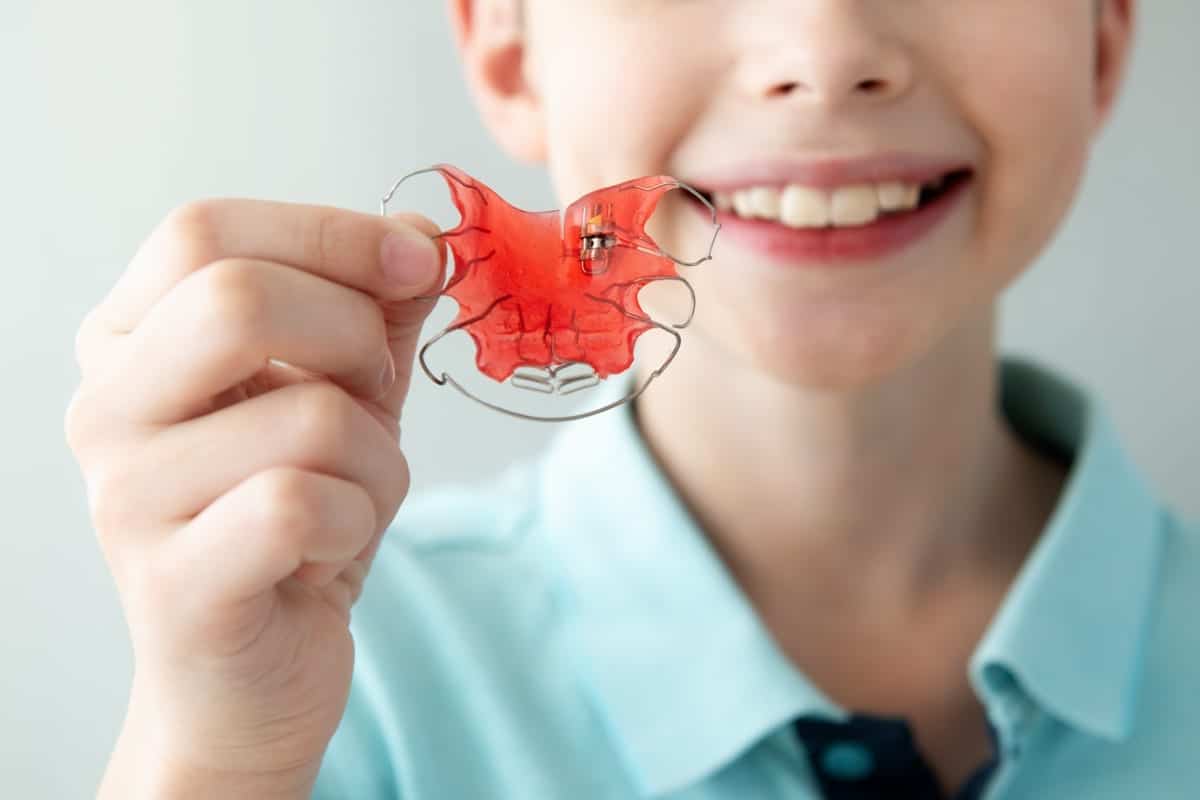
Many parents assume baby teeth are temporary and unimportant. After all, they fall out eventually — so why fuss over them? The truth is, understanding why your child’s baby teeth are worth protecting in Elgin can change how you approach your child’s early dental care. These small teeth do enormous work. They shape your child’s health, speech, confidence, and adult smile in ways most families don’t realize until problems arise.
At Northeast Family Dental Care, Dr. Omar Arshad works with Elgin families every day to protect these vital first teeth. This guide explains exactly why baby teeth deserve your attention — starting from the very first one that appears.
Baby Teeth Do More Than You Think
Baby teeth — also called primary teeth — begin appearing around six months of age. Most children have a full set of 20 by age three. These teeth serve several critical functions during your child’s early years.
First, they help your child chew food properly. Chewing affects nutrition directly. A child with painful or missing baby teeth often avoids harder foods. That can limit the vitamins and minerals they receive during key growth stages.
Second, baby teeth support clear speech development. Teeth work with the tongue and lips to form sounds. Children missing front teeth often struggle to pronounce words like
Frequently Asked Questions
Do baby teeth really need to be protected if they’re going to fall out anyway?
Yes, absolutely. Baby teeth serve as placeholders for permanent teeth and guide them into the correct position as they develop. If a baby tooth is lost prematurely due to decay or injury, the permanent tooth may come in misaligned, potentially requiring orthodontic treatment later. Additionally, healthy baby teeth allow children to eat nutritious foods and speak clearly during critical developmental years.
What’s the best age to start dental care for my child?
The American Academy of Pediatric Dentistry recommends scheduling your child’s first dental visit around age one or when their first tooth appears. Early visits establish good oral hygiene habits and allow your dentist to monitor development and catch any issues before they become serious. Starting early also helps children feel comfortable with dental care and reduces anxiety about future appointments.
How can I help my child maintain healthy baby teeth at home?
Begin brushing your child’s teeth as soon as they emerge using a soft-bristled toothbrush and fluoride toothpaste (about the size of a grain of rice for children under three). Limit sugary snacks and drinks, encourage water over juice, and start flossing once two teeth are touching. Regular brushing before bed is especially important since bacteria multiply during sleep.
What happens if my child gets a cavity in a baby tooth?
Baby tooth cavities should be treated promptly to prevent infection and pain that could affect eating and sleep. If left untreated, decay can spread to the developing permanent tooth underneath or cause an abscess. Your pediatric dentist can treat cavities with fillings or other appropriate interventions to preserve the tooth until it naturally falls out.
Are dental X-rays safe for children?
Yes, dental X-rays are safe and use minimal radiation exposure—less than what children receive from natural sources annually. X-rays help pediatric dentists detect cavities between teeth, monitor jaw development, and identify problems not visible during a regular exam. Your dentist will use protective lead aprons and only take X-rays when clinically necessary.
Recent Posts

Oct. 12, 2026
Your Smile Makeover Results: How Long They Actually Last
Oct. 05, 2026
What Actually Happens During Your Full-Mouth Restoration Appointment

Sep. 28, 2026
Is Your Missing Tooth a Good Candidate for a Bridge?

Sep. 21, 2026
Severe Tooth Pain: Which Emergencies Need Same-Day Extraction
Sep. 14, 2026